女生名叫黄蒲军校
省城闲置公车开到乡镇“上岗”,山东过好“车轮上”的紧日子_我的网站

A |
“下村检查水库,申请一辆公车。”8月19日午后刚上班,日照市五莲县于里镇农业综合服务中心工作人员王友礼快步走进镇党政办。

B | “老王,这次给你换辆新到的车。”镇党政办工作人员潘春鹏一边递出申请单,一边说道。
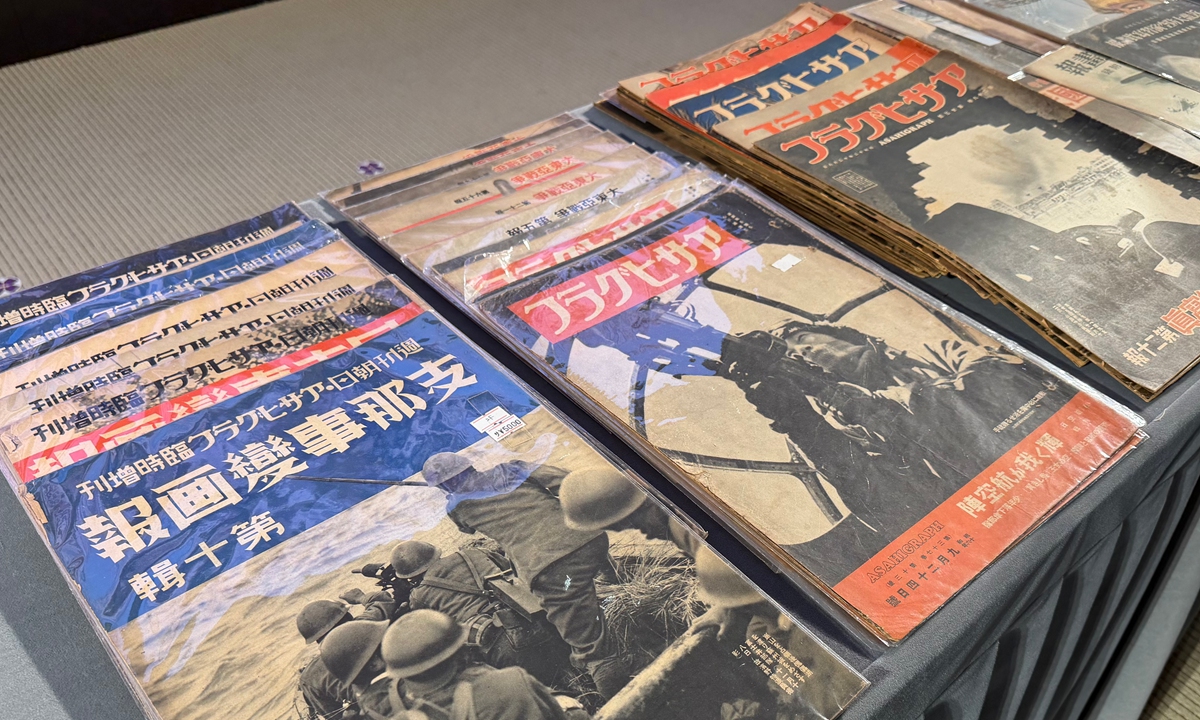
Illustrated materials related to Japan’s invasion of China, brought back from Japan by Marcus Detrez and Zhong Haosong, are displayed at the Memorial Hall of the Victims in Nanjing Massacre by Japanese Invaders in Nanjing, East China’s Jiangsu Province, on August 15, 2026. Photo: Shen Sheng/GT
August 15 this year marks the 81st anniversary of Japan’s unconditional surrender in World War II. A ceremony themed “Nanjing Will Never Forget” was held on Saturday at the Memorial Hall of the Victims in the Nanjing Massacre by Japanese Invaders in Nanjing, East China’s Jiangsu Province.
At the ceremony, a batch of newly acquired artifacts, historical materials, and documents related to the War of Resistance Against Japanese Aggression, including Japanese soldiers’ private letters, wartime postcards, educational materials on gas warfare, news compilations and French diplomatic archives, was officially added to the memorial hall's collection.
Overseas‑sourced historical archives drew wide attention among the donated materials. French youth Marcus Detrez, his compatriot Bastien Rata and Chinese youth Zhong Haosong jointly donated a set of historical documents on Japan’s aggression against China from the French diplomatic archives in Nantes, as well as Japanese‑language materials they had collected in Japan.
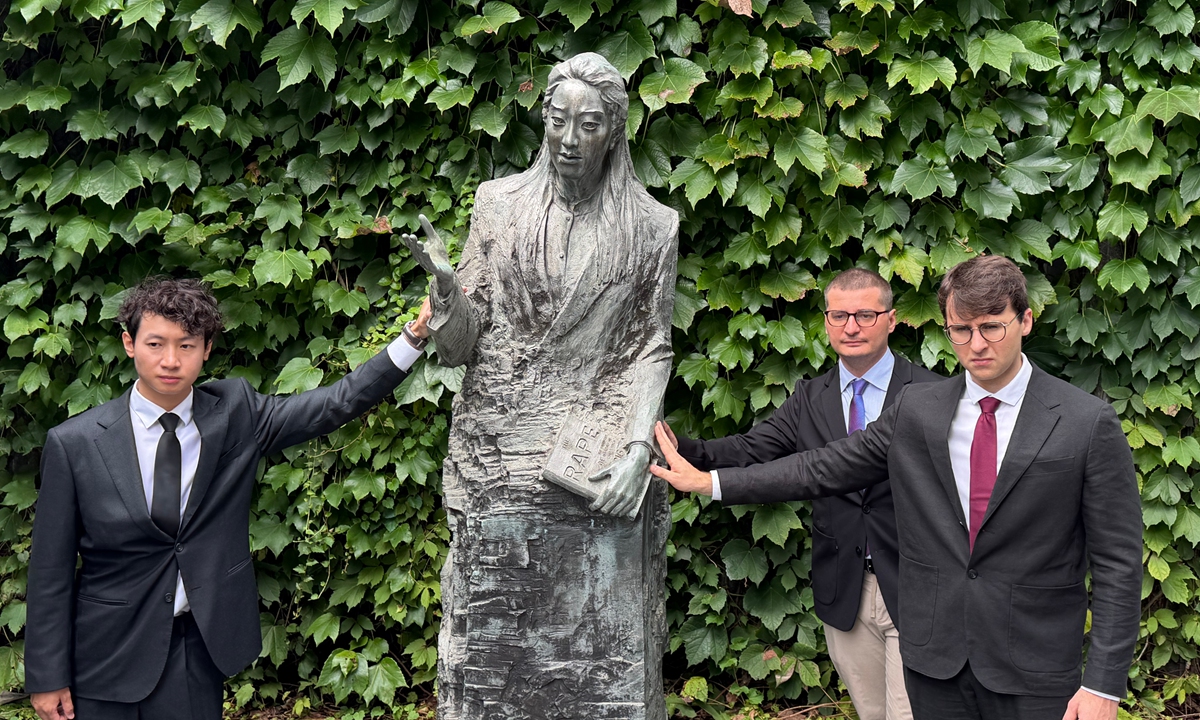
Zhong Haosong (left), Bastien Rata (center) and Marcus Dretz (right) visit the Memorial Hall of the Victims in Nanjing Massacre by Japanese Invaders in Nanjing, East China’s Jiangsu Province, on August 15, 2026. Photo: Shen Sheng/GTAccording to Bastien, the French diplomatic archives brought back this time total 891 pages. They are organized by province and cover wartime historical events in Nanjing, Shanghai, Guangdong and other areas. The archives document relevant situations during Japan’s invasion of China, while also preserving observations by French diplomatic personnel on Chinese society during the wartime period.
Marcus told Global Times on Saturday that, through these archives and related research, they have gained a deeper understanding of the brutality of the Nanjing Massacre. He said that collecting these materials was also aimed at conducting more educational work to help more people learn about this period of history.
The materials brought back from Japan by Zhong include albums of documentary paintings of the Japanese invasion of China by artists accompanying the invading Japanese army, privately taken photo albums of the invading Japanese troops, and original publications from the same period, including the Asahi Shimbun. These materials all come from original Japanese records.
The overseas historical materials were collected over an extended period. Zhong said they contacted sources online and searched through antique and secondhand book channels while continuing to collect materials in Japan.
The new collection on Saturday also includes materials gathered by Chinese youths. High school student Yu Ningpeng and Xu Weizhe donated 12 private letters written by a soldier of the 20th Regiment of the Imperial Japanese Army’s 16th Division, documenting his experiences during the invasion of China. One letter, dated December 20, 1937, contains accounts related to the Japanese occupation of Nanjing.
Meng Guoxiang, a researcher at the Institute for National Memory and International Peace Studies, told the Global Times at the event on Saturday that historical research places great importance on the sources of historical materials, with original archives holding significant value.
Some of the materials donated this time were records left by the perpetrators themselves, while archives from third-party countries such as France provide another perspective, Meng said, adding that cross-checking materials from different sources can help build a more complete body of evidence.
Notably, alongside the handover of the latest batch of archival materials, the memorial hall also held a ceremony to induct the fifth group of inheritors of the historical memory of the Nanjing Massacre. Six people were named as the latest inheritors, including descendants of Nanjing Massacre survivors, descendants of eyewitnesses, and descendants of international friends. They help pass on historical memory through family traditions, educational activities and efforts to raise public awareness of history.
In recent years, a growing number of post-1990s and post-2000s private collectors, as well as foreign nationals, have joined efforts to collect historical materials, a trend that has deeply moved and impressed Zhou Feng, curator of the Memorial Hall of the Victims in Nanjing Massacre by Japanese Invaders, he told the Global Times.
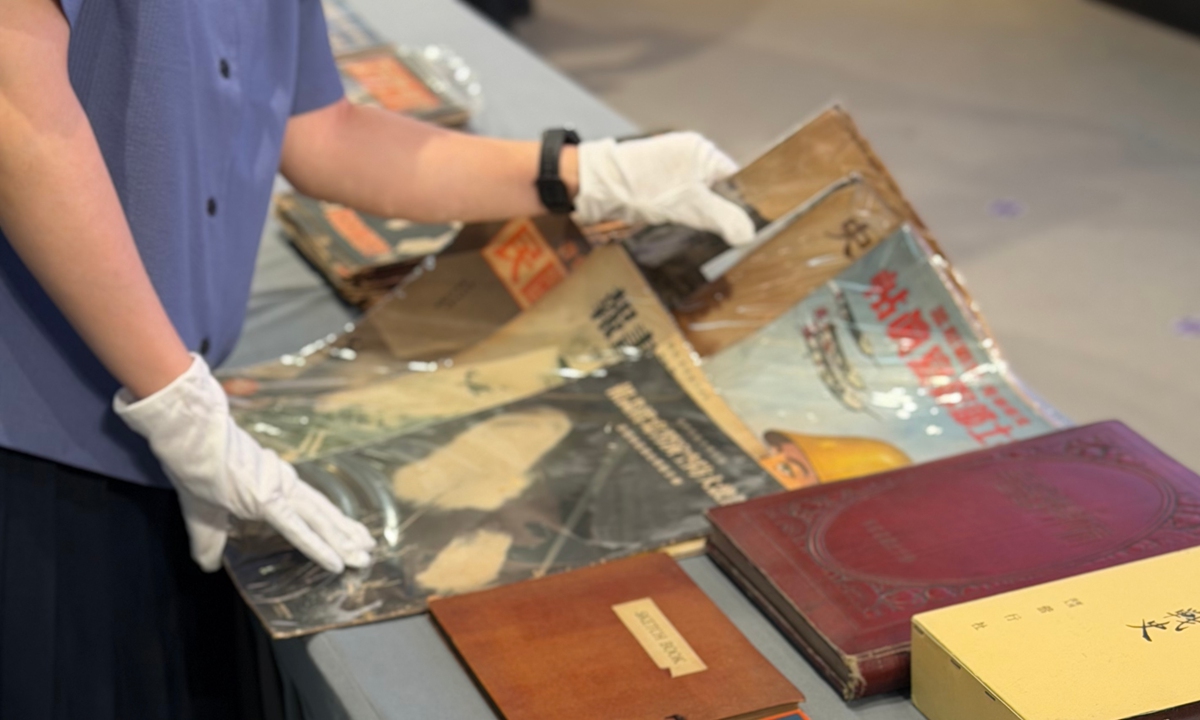
A staff member arranges archival materials documenting Japan’s invasion of China brought back from Japan by Marcus Detrez and others at the Memorial Hall of the Victims in Nanjing Massacre by Japanese Invaders in Nanjing, East China’s Jiangsu Province, on August 15, 2026. Photo: Shen Sheng/GT
Zhou said that preserving history and historical records was once widely seen as the responsibility of museums, cultural institutions and professional scholars; however, today, more and more private collectors are taking the initiative, spending their own money to collect historical materials scattered across China and overseas.
Historical memory, he said, needs to be passed down from one generation to the next. The donors come from different generations, nationalities and backgrounds, but share a common respect for historical truth and commitment to justice.
Since the beginning of this year, the memorial hall’s Nanjing Massacre Documents Center has launched a global campaign to collect relevant historical materials, receiving support from various sectors both in China and abroad. Nearly 100 donors from China and overseas have so far contributed materials to the memorial hall, Zhou said.
。

C | “镇里什么时候有‘新车’了?”王友礼有些惊喜。 “我们刚申请到一辆专门保障下乡的应急用车,里程数不到10万公里。”潘春鹏转身从钥匙柜里取出车钥匙,“这车原本在省直机关闲置,前些日子调拨到县里,现在又分到咱们镇,补上了空缺的用车编制。”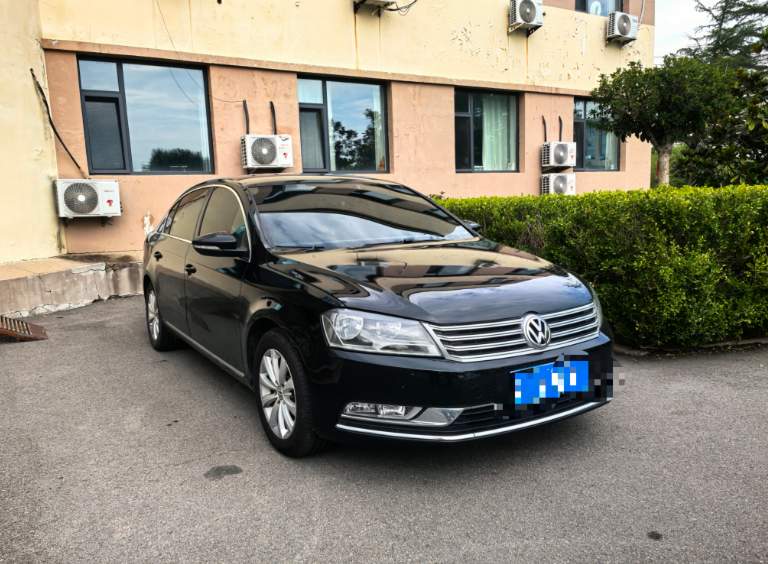 五莲县地处山区,乡镇工作人员下村入户频繁。此前,于里镇共有5个公车编制,2辆车已达到报废状态,实际能正常使用的只有3辆。“这5辆车每年要花8万多元维修费,其中大部分费用集中在这2辆旧车上。”于里镇党委书记周华说,因为用车紧张,很多同事下村只能开私家车。 镇上“资历最老”的这2辆车购于2010年前后,记者拉开驾驶位车门,刺耳的“吱呀”声传来,车身及内饰多处老化,掉皮掉漆,行驶里程也超过45万公里。

D | 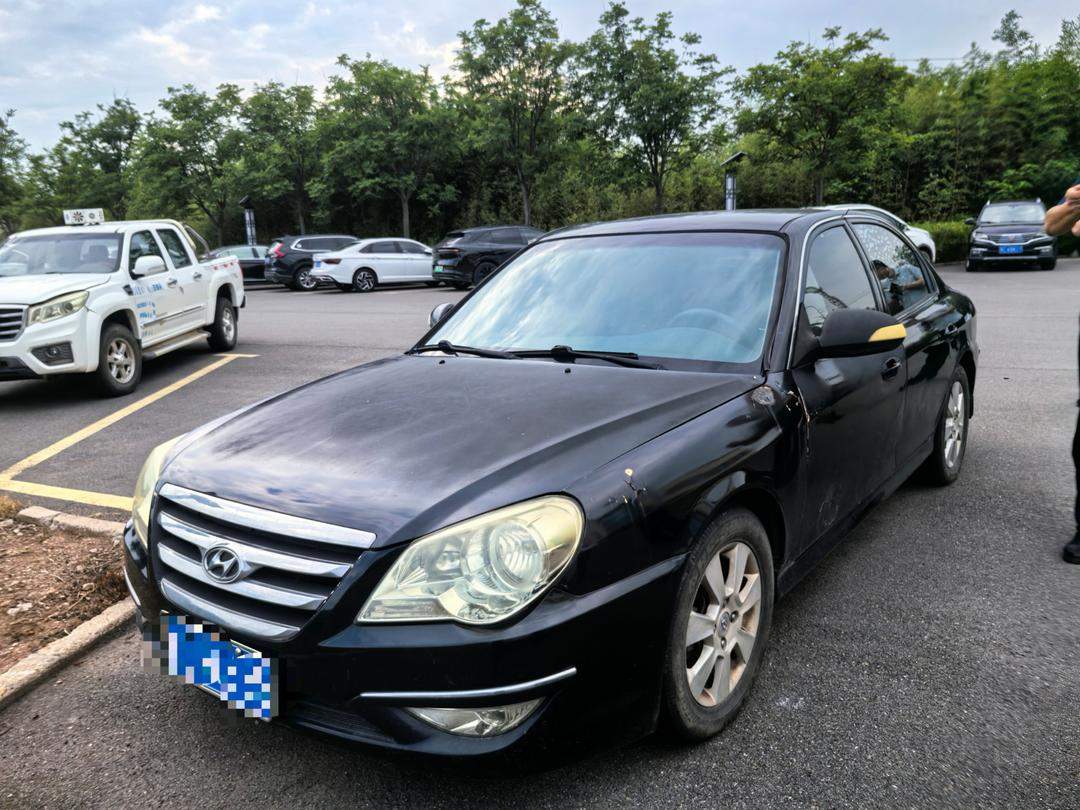 面对日益老化的车况和不断增长的用车需求,2021年以来,于里镇先后3次提交书面申请,协调解决车辆更新问题,但受限于县级财政压力和车辆编制的刚性约束,申请迟迟未能落地。 于里镇的现状,折射出基层公务用车长期存在的困境。

E | 放眼全省,基层公车大多服役年限偏长,运行里程普遍在40万公里以上;而地方财政紧张,难以大规模购置新车,车辆更新压力较大。 如何实现过紧日子与保障基层出行的双赢?
自2017年起,山东逐步建立全省公务用车管理平台,对车辆行驶里程、位置信息等实现全程可视化监管,全面掌握机构改革、部门撤并、临时机构任务结束等情形下产生的车辆超编、闲置情况,将所有“富余”车辆纳入公物仓统一管理。 “今年,我们进一步整合全省闲置公务用车资产,构建‘实体仓+虚拟仓’结合的公务用车公物仓管理系统。”山东省机关事务管理局公务用车管理处处长史晓虎介绍,目前实体仓集中收储闲置、低效运转的公务用车40台;虚拟仓则依托信息化手段,将一定数量的车辆纳入线上统筹,在保持全省公务用车编制总数不增加的前提下,实现动态划拨、资源共享。 过去,公车资产受分级管理限制,省里的车辆难以顺畅调拨到市县。为此,省机关事务局与省财政厅联合打通资产划拨渠道,破除了车辆资产分级管理形成的壁垒。

F | 在此基础上,山东选取济南市历下区、新泰市、莘县、五莲县、泗水县等5个县(市、区)作为试点,筛选20辆车从公物仓一次性下拨,推动低效运转车辆跨单位、跨区域、跨层级使用。

G | 作为全省首批试点之一,五莲县在初步构建“上级统筹、县级归集、按需调剂、共享复用”的省市县三级一体化体系的基础上,进一步将保障链条延伸至乡镇,探索构建省市县乡四级联动机制。 经过申请,7月21日,五莲县接收省、市公物仓调拨的公务用车5辆,全部纳入县公务用车管理平台。随后,结合平台运行数据和乡镇实际需求,又将4辆车投放到于里镇等4处位置偏远、车辆老化、用车缺口突出的乡镇。 “这批车辆在一定程度上弥补了基层公车运力缺口,解决了公车老旧失修、安全隐患突出、下村入户不便等现实问题。”五莲县机关事务服务中心主任孙宏波说,下沉车辆重点保障乡村振兴、基层治理、应急值守、入户督查等工作。 孙宏波给记者算了两笔账:调拨来的车几乎不新增财政开支,相比购买新车,每辆车可减支10多万元,成本也远低于租用社会车辆;每更新一辆公车,维修成本至少下降40%,安全性能也大幅提升。 “我们将总结试点经验,完善省市县一体化公物仓体系,探索通过数字化手段提升公车调度效率,推动更多闲置公车资源向基层倾斜。”史晓虎说。 (大众新闻记者 刘兵 盖颐帆 通讯员 吕纬航)。
Current article:http://www.hanninhuaxituochunkui.pics/m7bcral/20260826/7020718.xls
Published on:02:51:30