
城之源
Is the rapid growth of China’s emerging industries driven by industrial subsidies?: People’s Daily_我的网站

A |
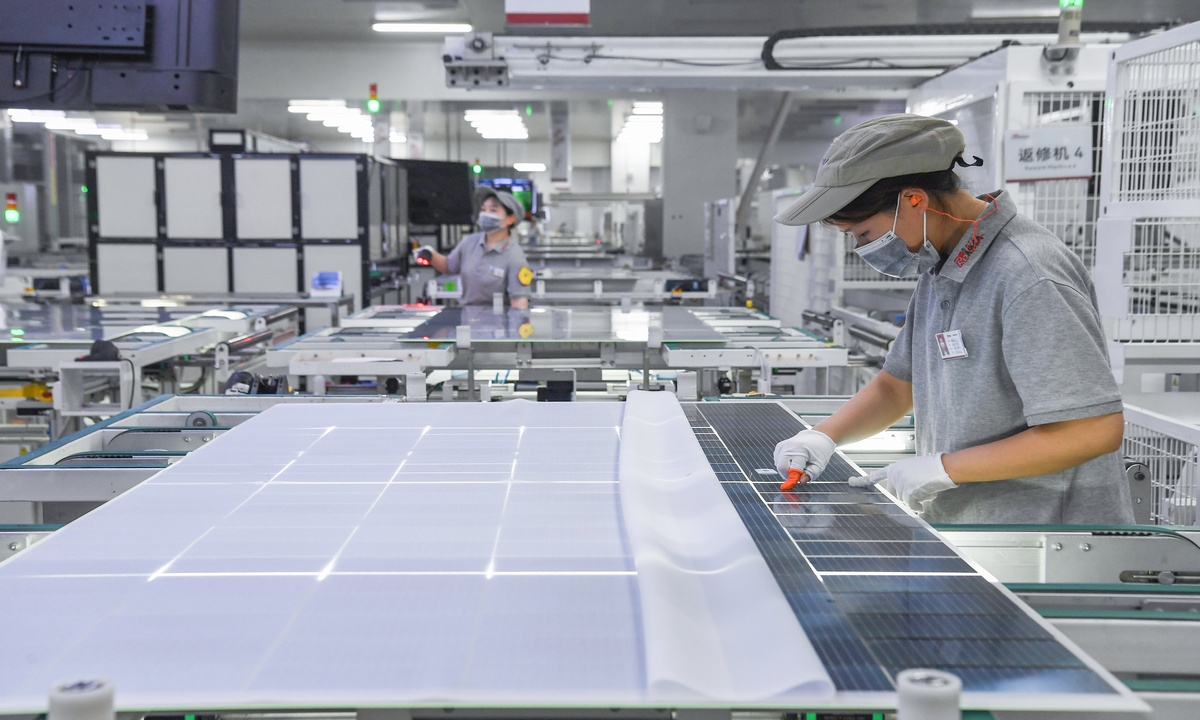
China saw robust exports in electric vehicles (EV), lithium batteries and photovoltaic products, known as the "new three," in the first half of this year. More notably, robotics, artificial intelligence (AI) and innovative drugs, which represent the future direction of industrial development, are also emerging as new calling cards for China's foreign trade.
However, the impressive performance provoked unease among some Western media outlets and politicians. Some have deliberately portrayed China's rapid industrial development and strong competitiveness as a result of government subsidies, pushing the false claim that subsidies have created overcapacity and those low-priced Chinese products are flooding global markets. Such fallacies, which simply equate industrial subsidies with overcapacity, are not only logically flawed but also factually groundless.
In practice, many countries adopt industrial policies tailored to their national conditions and development needs, such as providing research and development (R&D) subsidies for emerging industries and risk related subsidies for agriculture.
Well-designed industrial subsidies can help address market failures, promote technological innovation and environmental protection, reduce poverty and support balanced development, rather than cause so called "overcapacity."
Multiple reports by the United Nations Conference on Trade and Development have noted that the number of industrial policies worldwide has grown rapidly over the past five years, with R&D subsidies, tax incentives and low interest loans for emerging industries becoming common international practices.
Forcibly linking industrial subsidies to "overcapacity" is, in essence, a political manipulation based on double standards. The US, for example, plans to provide $750 billion in various subsidies from 2022 to 2031 under its Inflation Reduction Act. Subsidized EVs are subject to requirements such as production and sales in the US or North America, effectively excluding other WTO members. US industrial subsidies for AI are even greater than those of all other countries combined.
Similarly, according to incomplete statistics, the European Commission is expected to provide more than 1.44 trillion euros ($210 billion) in various subsidies between 2021 and 2030. The EU's Industrial Accelerator Act links local content directly to financial support through "Made in EU" requirements, creating serious investment barriers and institutional discrimination.
Have these massive subsidies been labeled as causing "overcapacity"? The answer is no. While claiming that China's industrial subsidies lead to so-called overcapacity, these countries are themselves providing massive subsidies to their own industries. Such double standards amount to selective accusations targeting China, aimed at politicizing trade and economic issues and weaponizing industrial policy.
At a deeper level, accusations that "China's industrial subsidies cause overcapacity" are merely a pretext, reflecting growing anxiety and fear over the rising competitiveness of Chinese industries.
Looking back at the repeated hype in Western media, the criticism has consistently targeted China's most globally competitive industries, including new-energy vehicles, photovoltaics and power batteries. This exposes the real intention of shifting the blame for their own lagging industrial development onto China while stepping up restrictions against Chinese industries.
China's breakthroughs in these industries have been driven by advances in homegrown technologies, complete industrial and supply chains, and robust market competition, rather than by policy subsidies as some have claimed.
In recent years, China has taken multiple steps to regulate and improve its subsidy policies, from reviewing and correcting inappropriate local subsidies to exploring a unified negative list mechanism for local fiscal subsidies. China applies subsidies equally to all market entities, including foreign invested enterprises, strictly follows WTO rules, and continues to improve the compliance, effectiveness and transparency of its subsidy policies.
Rather than fabricating and hyping baseless claims about subsidies and obsessing over building trade barriers, certain Western media outlets and politicians should focus on addressing their own weaknesses and increasing investment in research and development. They should embrace healthy market competition with an inclusive mindset, promote mutual benefit through greater openness, and win markets and drive progress through genuine innovation.
This was compiled and translated by the Global Times English edition based on an article published in the "Chisu Jinsheng" economic commentary column of the People's Daily on August 10, 2026.
。 「大阪マラソン」(22日、大阪府庁前~大阪城公園) 初マラソンの吉田響は序盤から独走状態となるも、37キロ地点でトップを譲り、MGC出場権内からも脱落。2時間9分34秒(速報値)の34位で、レース後は車椅子で救護室へ運ばれた。

B | 【写真】激走も実らず 両目を閉じて苦しそうな表情を浮かべ車椅子で運ばれる ファイテンのパワーテープを全身に貼って臨んだレース。相当なダメージによりレース後の取材対応もキャンセルとなった。その後、自身のXに投稿したコメントは以下の通り。

C | 「まずはじめに、大阪マラソンを主催してくださった運営の皆様、ボランティアの皆様、沿道でたくさんの応援と勇気をくださった皆様、一緒に走ってくださった選手の皆さん、そして低血糖と脱水で倒れた後に救護してくださった皆様、本当にありがとうございました。 32km過ぎに低血糖と脱水になってしまい、なんとかゴールはできましたが、その後1時間ほど救護室でお世話になりました。現在は無事に回復しています。 結果としては悔しい形になってしまいましたが、自分にとっては最高の大阪マラソンになりました。 8km過ぎから飛び出し、自分でレースをつくれたこと。35kmまでは安定したペースで走れたこと。低血糖と脱水で目眩があり、止まりそうになりながらも最後までゴールできたこと。自分の課題が明確になったこと。そして何より、多くのファンの皆様、企業の皆様、選手の皆さんのおかげで、自分という選手が成り立っていると改めて実感できたこと。 たくさんの課題と、大きな収穫を得ることができました。 遠方から自分のタオルや自作の響グッズを持って応援してくださった方々。沿道から大きな声で温かい声援を届けてくださった方々。すれ違いざまに「頑張れ」と声をかけてくださったランナーの皆さん。35km以降、きつい状況の中にも関わらず、低血糖と脱水でふらつく自分を抜かしていくときに「ひびき、がんばれ」「一緒についてこい」「最後しっかりいくぞ」と熱い声をかけてくださった選手の皆さん。 足取りは重く、目眩もあり、何度も止まりそうになりました。やめてしまいたい気持ちも頭をよぎりました。

D | それでも、たくさんの人の優しさに触れながら走ることができたからこそ、タイムは悔しい結果でも、最後まで走り切ることができました。

E | 今日という日のおかげで、陸上のことが、マラソンのことが、もっともっと好きになりました。だからこそ、応援してくださるファンの皆様、支えてくださるチームメイト、企業の皆様のためにも、この経験を糧に、次こそは必ず勝ちます。たくさんの応援と声援、本当にありがとうございました。
Current article:http://www.hanninhuaxituochunkui.pics/news/20260826_5382294.doc
Published on:00:28:08
 SpaceX航天器已经组装好,将来将飞往火星。
 东杰智能:拟出售部分工业用地土地使用权等资产
 田中圭の最新姿にビックリ!「わぁぁあ」「テレビで姿を…」「元気そう」「破壊力すごい」3ショット
 又是下雨天!气象部门已发布多个预警
 水利部8月24日继续发布洪水黄色预警
 苹果:homepod将于1月18日在中国上市,售价2799元。
- ·Typhoon Dolphin’s remnants continue to drench broad swathe of China, bringing torrential rains to East China, Huanghuai and North China
- ·Dengue sweeps Sri Lanka
- ·吉祥航空:公司实际控制人王均金与王瀚续签了《一致行动协议》
- ·苏东:曼联梭哈欧联是轮盘赌 当年的穆帅是把粉丝生生熬成了鱼翅
- ·Black Myth: Zhong Kui unveils 15-minute gameplay as series moves beyond Wukong
- ·新西兰总理确认要访华!时间就定在......
- ·《RoboCop》剧集选定丹·史蒂文斯担任主演
- ·暴雨+强对流双预警齐发,山东北部地区将有10级以上雷暴大风
- ·五年暴涨550%!国产车卖爆全球:前7月出口超7465亿
- ·突然变盘!“易中天”三大巨头集体下跌!重磅“新技术”曝光 影响多大?
- ·中领馆:一名在韩失踪中国公民被确认遇害、嫌疑人被捕,要求韩方立即开展全面调查
- ·影像记录|盐碱地上的“科技范”
- ·正式官宣!全美直播出炉:湖人,76人并列34场!国王,雄鹿仅2场!
- ·Nominations for Filmfare OTT Awards 2025: Full List Out
- ·ED Raid: सौरभ भारद्वाज के पुश्तैनी घर पर 12 घंटे तक खंगाले घोटाले के सबूत, ईडी के हाथ क्या लगा?
- ·《GTA6》最新泄露实机中葱哥喊话玩家:该反击了!
- ·上半年,河北福彩即开票幸运盘点
- ·“天眼”巡视、应用场景落地,低空“大脑”开启“天空革命”| 行进中的济南
- ·赖清德万万没想到,首批2架F-16V还没落地,特朗普已经埋下大雷?,兵器观世界,原创 赖清德万万没想到,首批2架F-16V还没落地,特朗普已经埋下大雷?
- ·台风“白海豚”在浙江乐清二次登陆,影响远未结束!中央气象台继续发布台风红色预警,浙江局地强降雨或具有极端性
- ·水利部对广东、广西、海南启动洪水防御Ⅳ级应急响应
- ·后悔了,欧文承认,早知如此,何必当年?
- ·国家电影局推出了新版本的“龙”标志:将持续时间从5秒缩短到4秒
- ·五层楼高树倒压毁货车 车顶凹陷玻璃碎
- ·沈阳对违规售卖兽用管制药品门店依法立案调查
- ·股价直逼500元!“北证一哥”剑指历史新高 北交所百元股扩容 这些个股交投活跃
- ·2025国家补贴什么时候结束?国补和618哪个更优惠?2025国补政策最新消息
- ·普京表态:俄罗斯重磅“入局”伊朗战争,阻止美国“侵略”!,军武太狼,原创 普京表态:俄罗斯重磅“入局”伊朗战争,阻止美国“侵略”!
- ·偷税超300万被罚后,知名网红女主播“复活”:制售高仿大牌服装,近百个号带货超百万元!
- ·奥迪与华为合作第一台车开售了!豪华智能电动旗舰SUV!
- ·新华网民生观察丨协同共治 保障二手房交易资金安全
- ·8月25日人民币对美元中间价报6.7852 下调11个基点,8月25日人民币对美元中间价报6.7852 下调11个基点
- ·活力中国调研行|两千五百年前的名相,在典籍中心“坐班”
- ·台湾女孩参与四川地震救援工作 国台办:谢谢有这么美的人留下帮助大家
- ·中国驻新使馆发言人就新方近期涉华言论发表谈话
- ·桥下空间变身“微运动场”
- ·北京多区发布紧急寻人通知!涉民航总医院,具体时段、楼层
- ·撑起全球AI半边天?一文了解姚期智与他的清华姚班
- ·今年前7个月京津冀地区进出口值创历史同期新高
- ·क्या कोयलांचल की धरती अब जानलेवा बन गई है? धमाके के साथ फटी जमीन, समा गई महिला